

Integrating QA with Cloud-Native DevOps: Challenges & Best Practices
In today's fast-paced digital landscape, the integration of Quality Assurance (QA) within cloud-native DevOps practices is essential for delivering high-quality software efficiently. As organizations increasingly adopt cloud technologies and DevOps methodologies, they face unique challenges that require innovative solutions. This article explores the key challenges of integrating QA in cloud-native DevOps and offers best practices to overcome them.
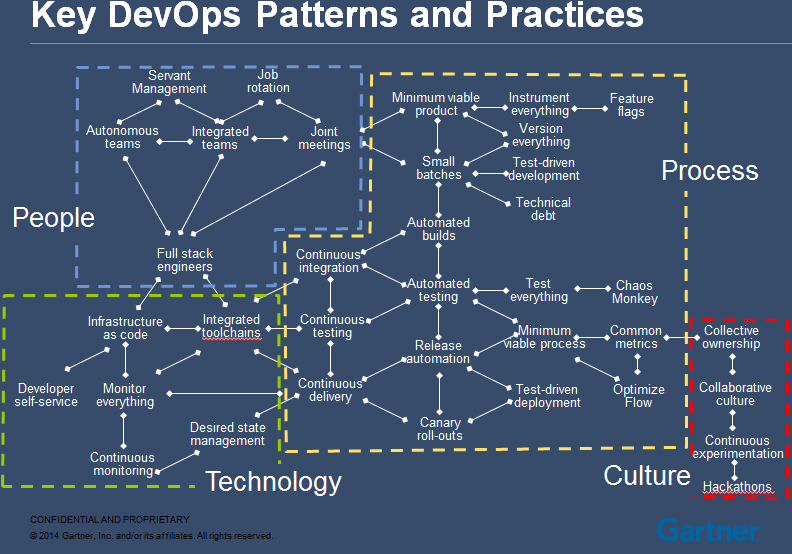
Understanding the Importance of QA in Cloud-Native DevOps
Quality Assurance is not merely a phase in the software development lifecycle; it is a continuous process that ensures the delivery of reliable and high-performing applications. In a cloud-native DevOps environment, where speed and agility are paramount, QA plays a critical role in maintaining software quality. Here’s why integrating QA is vital:
-
Continuous Quality: QA ensures that software is always in a releasable state, allowing for rapid deployment without compromising quality.
-
Early Detection of Defects: By embedding QA practices early in the development process, teams can identify and resolve issues before they escalate.
-
Enhanced Collaboration: Integrating QA fosters collaboration between development, operations, and QA teams, leading to improved communication and shared objectives.
Key Challenges in Integrating QA with Cloud-Native DevOps
While the benefits of integrating QA into cloud-native DevOps are clear, organizations often encounter several challenges:
1. Toolchain Complexity
The vast array of tools available for cloud-native development can lead to a fragmented toolchain. Teams may struggle with integrating various tools for CI/CD, testing, and monitoring, resulting in inefficiencies.
Solution: Standardize tools across teams and opt for cloud-native platforms that offer integrated solutions. This reduces complexity and enhances collaboration.
2. Cultural Resistance
Transitioning to a DevOps culture requires a shift in mindset. Teams accustomed to traditional siloed approaches may resist adopting collaborative practices.
Solution: Foster a culture of shared responsibility by encouraging cross-functional teams to work together. Implement training programs to help teams understand the benefits of collaboration.
3. Security Concerns
In a cloud-native environment, rapid deployments can introduce security vulnerabilities. Unpatched containers and unsecured APIs can lead to significant risks.
Solution: Adopt a DevSecOps approach, integrating security practices into the development process. Automate security testing within CI/CD pipelines to identify vulnerabilities early.
4. Lack of Test Automation
Manual testing can slow down the development process, making it difficult to keep pace with rapid releases. Without adequate test automation, teams may struggle to maintain quality.
Solution: Invest in cloud test automation tools that enable continuous testing throughout the development lifecycle. This ensures that every code change is validated quickly and efficiently.
5. Insufficient Test Coverage
As applications grow in complexity, ensuring comprehensive test coverage becomes challenging. Gaps in testing can lead to undetected defects in production.
Solution: Implement a risk-based testing approach to prioritize testing efforts based on the potential impact of defects. Utilize automated testing frameworks to cover critical paths and functionalities.
Best Practices for Effective QA Integration in Cloud-Native DevOps
To successfully integrate QA into cloud-native DevOps, organizations should adopt the following best practices:
1. Shift Left Testing
Shifting testing activities to the left in the development process allows teams to identify defects early. This proactive approach reduces the cost and effort associated with fixing issues later in the cycle.
-
Implement Continuous Testing: Automate tests to run with every code change, ensuring immediate feedback.
-
Encourage Collaboration: Involve QA teams in the planning and design phases to align testing with business requirements.
2. Embrace Test Automation
Automating testing processes is crucial for maintaining speed and quality in a DevOps environment. Automated tests can be executed quickly and consistently, providing rapid feedback to developers.
-
Utilize CI/CD Pipelines: Integrate automated tests into CI/CD pipelines to validate code changes continuously.
-
Leverage Container Testing: Use containerization to create isolated testing environments that mimic production settings.
3. Foster a Culture of Quality
Creating a culture that prioritizes quality across all teams is essential for successful QA integration. Everyone should feel responsible for the quality of the software being developed.
-
Promote Continuous Learning: Encourage teams to share knowledge and best practices related to QA and testing.
-
Celebrate Successes: Recognize and reward teams for achieving quality milestones, fostering a sense of ownership.
4. Implement Performance Testing
As applications scale, performance testing becomes critical to ensure they can handle increased loads. Regular performance testing helps identify bottlenecks and optimize application performance.
-
Conduct Load Testing: Simulate real-world traffic to assess how applications perform under stress.
-
Monitor Performance Metrics: Use monitoring tools to track application performance in real-time and address issues proactively.
5. Utilize Metrics and Feedback Loops
Establishing metrics to measure the effectiveness of QA practices is vital for continuous improvement. Feedback loops help teams learn from past experiences and refine their processes.
-
Define Key Performance Indicators (KPIs): Track metrics such as defect density, test coverage, and time to resolve issues.
-
Conduct Retrospectives: Regularly review testing outcomes and processes to identify areas for improvement.
Conclusion: Achieving Seamless QA Integration in Cloud-Native DevOps
Integrating QA into cloud-native DevOps is not without its challenges, but the rewards are significant. By addressing toolchain complexity, fostering a culture of collaboration, and embracing automation, organizations can enhance software quality while maintaining the agility required in today’s fast-paced environment.
As we navigate the evolving landscape of cloud-native development, let’s prioritize quality at every stage of the process. By implementing best practices and leveraging the right tools, we can ensure that our applications not only meet user expectations but also drive business success.